

study counselling
Lina Kröber & Jasmin Kellermann
Kontakt
Campus Straßburger Platz | Raum 108
+49 351 44 45-444
studium@fh-dresden.eu

Travel moves people. Events bring them together. And behind both are professionals who don’t leave experiences to chance – they shape them. The Tourism & Event Management degree programme at Dresden University of Applied Sciences (FHD) prepares you precisely for this: a career in which you make a tangible difference every day – for people, for businesses, for regions.
The tourism and events industry is a dynamic sector that is constantly evolving. In light of global shifts towards greater sustainability, digital connectivity and changing expectations among travellers and visitors, well-trained specialists are in greater demand than ever. People who not only understand current trends, but can implement them in a forward-looking and meaningful way. A degree programme that focuses on practical application, innovation and flexibility is the key to a successful career in this field. With its Bachelor’s degree programme in Tourism & Event Management (B.A.), the FHD offers precisely this approach.
In this article, you will find information on the following topics:
Tourism is not merely a leisure industry – it is a global leading economic sector. Worldwide, it ranks among the largest industries and acts as a powerful multiplier: it creates jobs, generates value along entire supply chains, and stimulates regional economies. Particularly noteworthy is the demand side. For many people, travel is among the last expenses they are willing to cut. This makes the industry structurally resilient and ensures long-term growth.
At the same time, the event industry has established itself as an independent growth market. Whether conferences, festivals, corporate events, or large-scale cultural gatherings – events create connections, strengthen brands, and revitalize destinations. They are a key instrument in place marketing, both in the B2B sector and in experiential tourism. Anyone who combines tourism and events taps into one of the most creative and versatile industries of all.
The industry is currently undergoing a profound transformation. Digitalization, artificial intelligence, and sustainability are changing how travel is planned, marketed, and experienced, as well as how events are designed, executed, and managed sustainably. Today’s travelers and event attendees expect personalized experiences, spontaneous booking options, and visibly responsible behavior from providers. Meeting these expectations requires more than industry knowledge. It demands strategic thinking, digital competence, and a genuine understanding of people.
This is exactly where the Tourism & Event Management program at FHD comes in. You will not only learn how the industry operates today but also how to develop the skills needed to actively shape its future.
The following developments highlight why tourism and event management are among the most exciting career fields today.
Digitalization & Artificial Intelligence are transforming the entire value chain – from the initial search query to booking and on-site experience design. AI agents are already taking on tasks in product management, automatically bundling travel components, and optimizing booking processes. At the same time, digital platforms enable personalized offers and new customer services that would have been unthinkable just a few years ago.
Sustainability is no longer a niche topic – it has become a core expectation of travelers and a fundamental requirement for the industry’s future viability. Tourism is an interdisciplinary phenomenon: new approaches consider both residents and visitors, integrate alternative mobility solutions, and create event formats and job profiles that firmly embed ecological and social responsibility in management practices.
Resilience is becoming increasingly important in the face of global crises. The ability to adapt quickly to changing conditions and manage unforeseen events is now a key competence – not only for organizations but for every professional in the tourism and event sector.
All of this creates high demands: flexibility, a willingness to innovate, and a deep understanding of both technological and societal developments are essential. The Tourism & Event Management program at FHD prepares you specifically for these challenges – with both strategic-conceptual content and practical, operational tools.
In light of these rapid developments, traditional degree programs are often no longer sufficient. The industry urgently needs graduates who not only possess theoretical knowledge but are also practically trained and equipped with forward-looking skills. Modern educational concepts must therefore integrate key future topics:
They must foster innovation;
They should offer flexibility in the learning process;
They must prepare students optimally for a dynamic working environment, including curricula that reflect current market developments;
They should develop competencies in working with new technologies such as AI;
They should strengthen key skills such as creative thinking and collaborative work.
Diverse Career Paths
The degree program at Dresden University of Applied Sciences (FHD) has been specifically designed to meet the demands of a rapidly evolving industry. It combines solid theoretical knowledge with intensive practical application. The program stands out for its innovative approach, high flexibility, and strong practical orientation – while deliberately connecting regional roots with an international perspective.
FHD is deeply embedded in the economic region of Dresden and Saxony. Collaborations with regional companies, destinations, and event organizations not only create valuable learning opportunities – they also actively contribute to regional value creation. At the same time, the program opens up a global perspective on markets, international travel trends, and worldwide event formats. You will learn to think locally and act globally.
Two Years On Campus – Maximum Flexibility
The program features a highly flexible study model tailored to the needs of modern students. With a well-structured design and an on-campus phase of just two years, it offers maximum freedom – ideal for those who work alongside their studies, travel frequently, or simply require flexibility.
During this time, you benefit from intensive support, practice-oriented content, and direct exchange with lecturers and fellow students. At the same time, there is sufficient room for personal planning, international stays, or professional commitments.
Particularly suitable for:
Working professionals and career changers seeking further qualification
Travel enthusiasts who want to efficiently combine travel and studies
Individuals with limited time who are looking for an efficient study model and a fast return to the job market
Knowledge is good. Knowledge you can immediately apply is better. The Tourism & Event Management program at FHD is based on a teaching concept that consistently combines both: academic rigor and real-world relevance.
The goal is clear: we do not aim to educate pure theorists, but doers – people who identify management challenges, analyze them, and respond with effective solutions. This requires both conceptual thinking and the ability to put ideas into practice.
What you will gain:
Problem-solving skills: Learn to identify industry-specific challenges and solve them in a structured way – not only in seminars but in real projects
Practical application: Diverse learning formats – from case studies and project seminars to collaborations with industry partners – make theory tangible
Strategic & operational thinking: Move confidently between concept and implementation – a key competence in tourism and event management
Industry-relevant skills: Graduate not just with a degree, but as a professional ready to contribute immediately in the job market
A core element of the program is the close integration of theory and practice. You will work on real projects with partners from the tourism and event sector in Dresden and Saxony, build valuable industry connections early on, and create real value for the region. At the same time, the program broadens your perspective beyond the regional level.
Practical formats at a glance:
Semester projects: Work on real challenges from destinations, tourism companies, or event organizations – with a high degree of independence and entrepreneurial focus
Excursions: Visits to companies, event venues, and destinations – both regional and national – provide direct insights into industry operations
Guest lectures & workshops: Industry experts bring current market trends, best practices, and strategic insights directly into the classroom
These formats not only strengthen your professional knowledge but also foster key soft skills such as teamwork, communication, and problem-solving – essential competencies for a successful career.
A semester abroad is a key component of an internationally oriented education in tourism and event management. It offers students the opportunity to gain valuable intercultural experience, explore new markets, and advance both personal and professional development. At the same time, studying abroad strengthens your understanding of global customer needs and international industry structures – competencies that are essential for a successful career in the dynamic tourism and event sector.
Benefits of a semester abroad:
Development of intercultural competencies and global awareness
Deeper understanding of international markets and tourism trends
Personal growth through new cultural and social experiences
Building an international network of students, professionals, and institutions
Enhanced career opportunities in globally oriented tourism and event companies
The integrated internship is a central element of the program and significantly strengthens its practical orientation. Students apply their acquired knowledge in a professional environment, gain valuable initial work experience, and experience the day-to-day operations of the tourism and event industry first-hand.
At the same time, the internship offers the opportunity to build connections, get to know potential employers, and define career goals more clearly. This direct transfer of theory into practice is essential for improving adaptability to real-world requirements and advancing personal career development.
Benefits of the integrated internship:
Application of academic knowledge in a real working environment
Gaining initial professional experience in the tourism and event industry
Building valuable contacts and potential employer relationships
Strengthening adaptability to industry-specific requirements
Clarifying personal career goals through practical insights
Enhancing key competencies such as self-organization, communication, and problem-solving
The curriculum is deliberately designed to ensure that students not only build a solid theoretical foundation but are also fully prepared for the challenges and opportunities of the modern working world. Core areas such as destination management, event design and execution, tourism marketing and sales, and strategic management form the backbone of the program.
This is complemented by digital marketing strategies, the use of relevant software, and the development of innovative event concepts. Sustainability and social responsibility in tourism are firmly embedded in the curriculum – not as a side topic, but as a cross-cutting principle.
FHD places great importance on providing students with access to a strong professional network within the tourism and event industry. Through practical projects, internships, and thesis collaborations with regional and national partners, students build connections that are often key to attractive career opportunities after graduation.
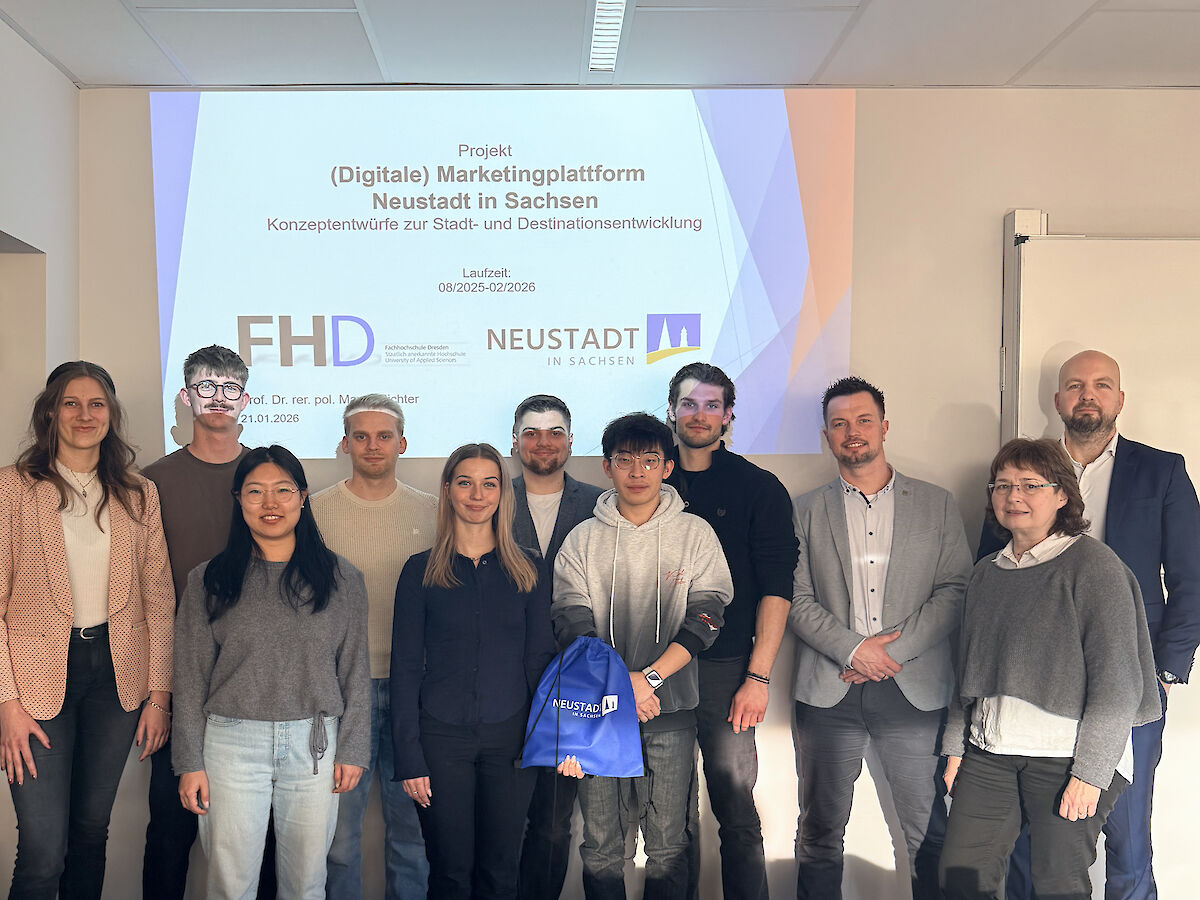

The program provides a broad spectrum of knowledge essential for a successful career in the tourism and event industry. Core areas include destination management, event design and execution, tourism marketing and sales, and strategic management.
Special emphasis is placed on developing competencies that are becoming increasingly important in the context of digitalization and new technologies. These include working with relevant software, understanding digital marketing strategies, and the ability to develop innovative concepts. Sustainability and inclusivity in tourism are also firmly embedded in the curriculum.
FHD places great importance on providing students with access to a strong professional network within the tourism and event industry. Through close collaboration with companies in practical projects, internships, and final theses, students build valuable professional connections. These relationships are often key to attractive career opportunities after graduation.
Active involvement in real-world projects also fosters a deep understanding of the industry’s needs and challenges and strengthens students’ adaptability to different working environments.
In a globally connected world, an international perspective in tourism and event management is essential. The program at FHD therefore deliberately integrates international aspects into its content – by promoting study abroad semesters and international internships, and by addressing global travel trends, international markets, and cultural differences. Students learn to understand global challenges and develop innovative solutions that can be applied across different markets.
What makes this program particularly unique is that the international perspective does not begin with a semester abroad – it begins locally in Dresden.
Dresden University of Applied Sciences is deeply embedded in the economic and cultural landscape of Saxony and maintains a well-established network of industry partners, offering students real insights and meaningful opportunities for involvement from the very first semester. The range of partners reflects the diversity of the industry.
At the destination level, students collaborate with organizations such as Dresden Marketing GmbH and the Tourism Association of Saxony, gaining insight into how regions are developed and positioned as tourism brands. Partners such as Taschenbergpalais Kempinski Dresden provide access to the international premium segment of the hospitality industry. Tour operators like AugustusTours demonstrate how customized travel products are developed, marketed, and implemented operationally.
The Dresden Music Festival and institutions such as the Dresden Technical Collections open up perspectives on cultural tourism and event management in a museum context. Agencies such as ConfGames, specializing in interactive event rallies, and Oberüber Karger GmbH, focusing on communication and brand management, complement the network with creative and strategic expertise.
The added value of this network lies in mutual exchange – a true science-to-business dialogue from which both sides benefit. Companies gain fresh perspectives, creative solutions, and practice-oriented young talent. Students gain hands-on experience, develop their skills in real project environments, and build early connections with potential employers. Formats such as practical projects, internships, guest lectures, excursions, and workshops are not just an addition to the program – they are an integral part of it.
This approach follows the principle of Creating Shared Value: FHD sees itself not only as an educational institution but also as an active contributor to the regional tourism and event ecosystem. After graduation, alumni strengthen regional companies and institutions as professionals who understand the local industry while being able to translate global trends into a regional context.
Regional roots and international orientation are not mutually exclusive – they are interdependent.
The future of the industry will be largely shaped by the skills of its professionals. That is why FHD places a strong emphasis on developing future skills – those abilities that go beyond pure technical knowledge.
Digital competence: Confident use of modern software, digital tools, and technologies – for optimizing processes and developing new offerings in both tourism and event management.
Creativity: Designing innovative travel experiences, event concepts, and new value creation models that truly inspire people.
Collaborative work: Effective teamwork – including in digital, international, and hybrid working environments.
Entrepreneurial & market-oriented thinking: Identifying opportunities, analyzing them, and turning them into successful solutions.
Technology does not replace hospitality. The tourism and event industry continues to be shaped by empathy, service quality, and personal interaction.
FHD prepares students to use AI as a tool – for personalized offers, efficient processes, and data-driven decision-making – without losing sight of the human factor. The ability to meaningfully combine digital solutions with human service is one of the most sought-after competencies in the industry.
The Tourism & Event Management program at Dresden University of Applied Sciences (FHD) is carefully structured to ensure both a solid academic education and maximum flexibility. During the intensive two-year on-campus phase, students gain the necessary depth of knowledge and expertise in the field.
In the first two semesters, students acquire the fundamental knowledge and skills required for studying Tourism & Event Management. The focus is on core competencies such as destination management, fundamentals of event management, marketing strategies, as well as initial insights into the importance of sustainability and digitalization.
At the same time, students become familiar with relevant tools and begin working on their first practical projects, allowing them to directly apply theoretical knowledge and gain initial experience in collaborative work. The introduction to current trends and future skills prepares students for more advanced topics.
The third and fourth semesters focus on deepening knowledge and enabling individual specialization. Students can choose from a range of elective modules.
Elective modules include:
Tourism Management
Event Management
Health and Wellness Tourism
During this phase, students work intensively on practice-oriented projects in cooperation with industry partners. This allows them to apply their knowledge in real-world scenarios and further develop their innovative capabilities. The strong practical focus and work on challenging tasks enhance adaptability and entrepreneurial thinking.
The final two semesters are dedicated to practical application and the completion of the final thesis. An internship within a company in the tourism and event industry enables students to apply the competencies acquired during their studies in a professional environment and gain valuable work experience.
Following the internship, students complete their final thesis, ideally building on their practical experience and incorporating independent research or innovative solutions. This completes the cycle between theory, practice, and innovation.
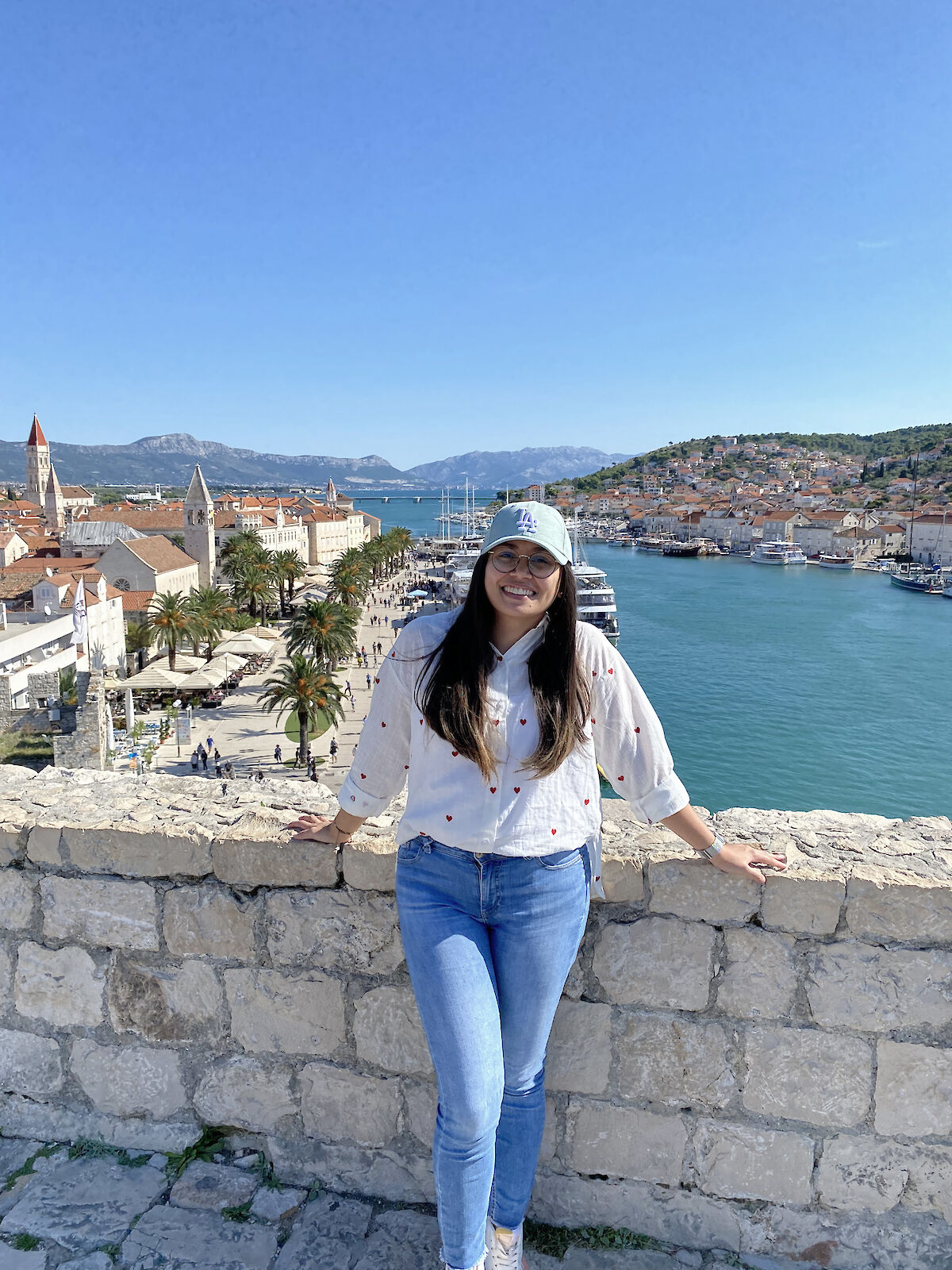

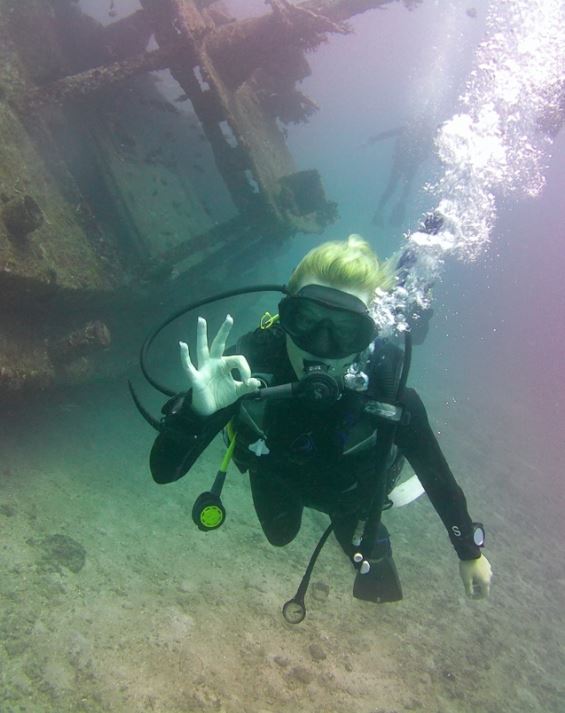
The Bachelor’s degree program in Tourism & Event Management (B.A.) at Dresden University of Applied Sciences (FHD) is designed for curious individuals who enjoy thinking beyond the obvious and want to turn their passion for travel and experience design into a career.
Thanks to its flexible study model, the program is suitable for a wide range of applicants – from recent school graduates to those pursuing their studies alongside a job. Its structure allows for different entry pathways, individual development opportunities, and optimal preparation for diverse career paths in the dynamic tourism and event industry.
The program is ideal for school graduates seeking a practice-oriented, future-focused education and aiming to enter a vibrant economic sector right away.
Why school graduates benefit:
Practice-oriented start directly after graduation
Combination of theory, practical projects, and future skills
Fast entry into the job market through compact on-campus phases
Early development of professional networks within the tourism and event industry
Acquisition of modern competencies such as digitalization, creativity, and project management
Thanks to the two-year on-campus model and hybrid learning formats, the program is particularly attractive for individuals who want to advance their careers or pursue a new professional direction.
Benefits for experienced professionals and career changers:
Ability to balance studies, work, and personal life through flexible learning formats
Opportunity to integrate and further develop existing professional experience
Specialization in future-oriented topics
Expansion of career opportunities in tourism, event management, hospitality, or destination marketing
An ideal pathway for entering a dynamic, international industry
Travel inspires. Events connect. And anyone who wants to actively shape both needs more than enthusiasm – they need the right tools. The Tourism & Event Management program at Dresden University of Applied Sciences (FHD) provides exactly that: an education that combines academic depth with real-world practice, fosters personal development, and opens the door to a wide range of career opportunities.
Digitalization, sustainability, and AI are not just buzzwords – they are an integral part of the program. Future skills such as creativity, collaborative work, event design, and entrepreneurial thinking ensure that you not only gain knowledge but are also able to develop innovative solutions and respond flexibly to new challenges. At the same time, FHD remains grounded: deeply rooted in the region, connected with real partners, creating tangible impact locally – while maintaining a clear perspective on the global stage.
Lina Kröber & Jasmin Kellermann
Kontakt
Campus Straßburger Platz | Raum 108
+49 351 44 45-444
studium@fh-dresden.eu