
What competencies do graduates need in a working world shaped by artificial intelligence, digitalization, and constant change, and how must universities teach today so that students can act successfully and take responsibility tomorrow?
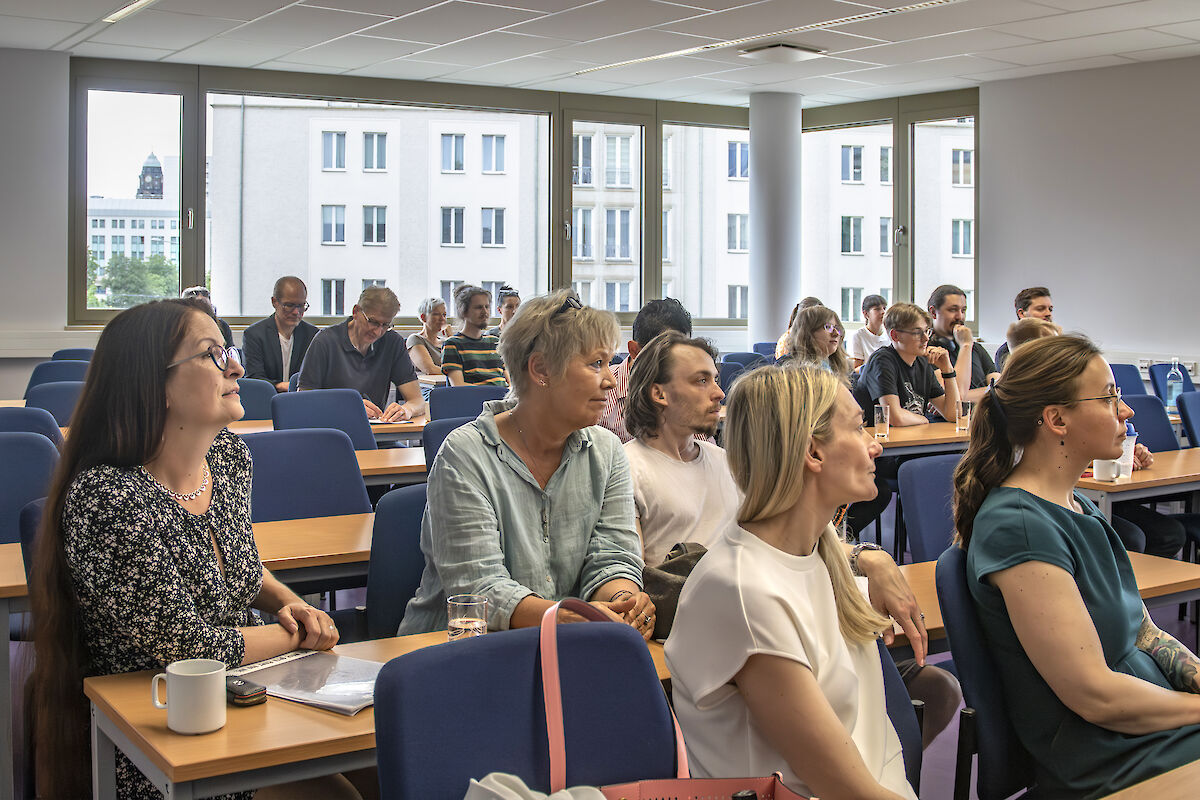
These questions were the focus of the Dies Academicus 2026 at the University of Applied Sciences Dresden. Under the motto “Shaping the Future – Rethinking Teaching”, students, lecturers, and practice partners came together to jointly develop ideas for the future of studies and teaching at FHD.
To open the event, Vice-Rector Prof. Dr. Marco Richter presented the FHD 2030 strategy process. The aim is to further develop the University of Applied Sciences Dresden as an innovative and learning organization, and to jointly find answers to the challenges of a changing educational and working environment.
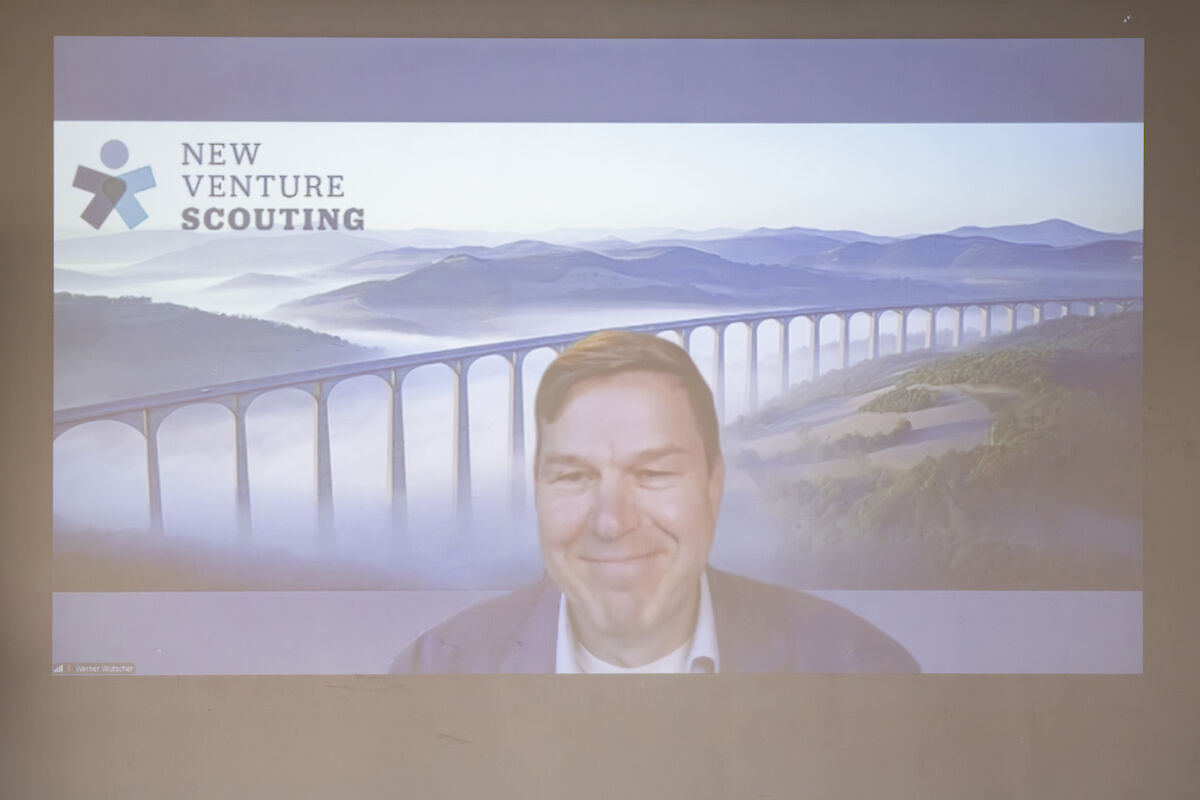
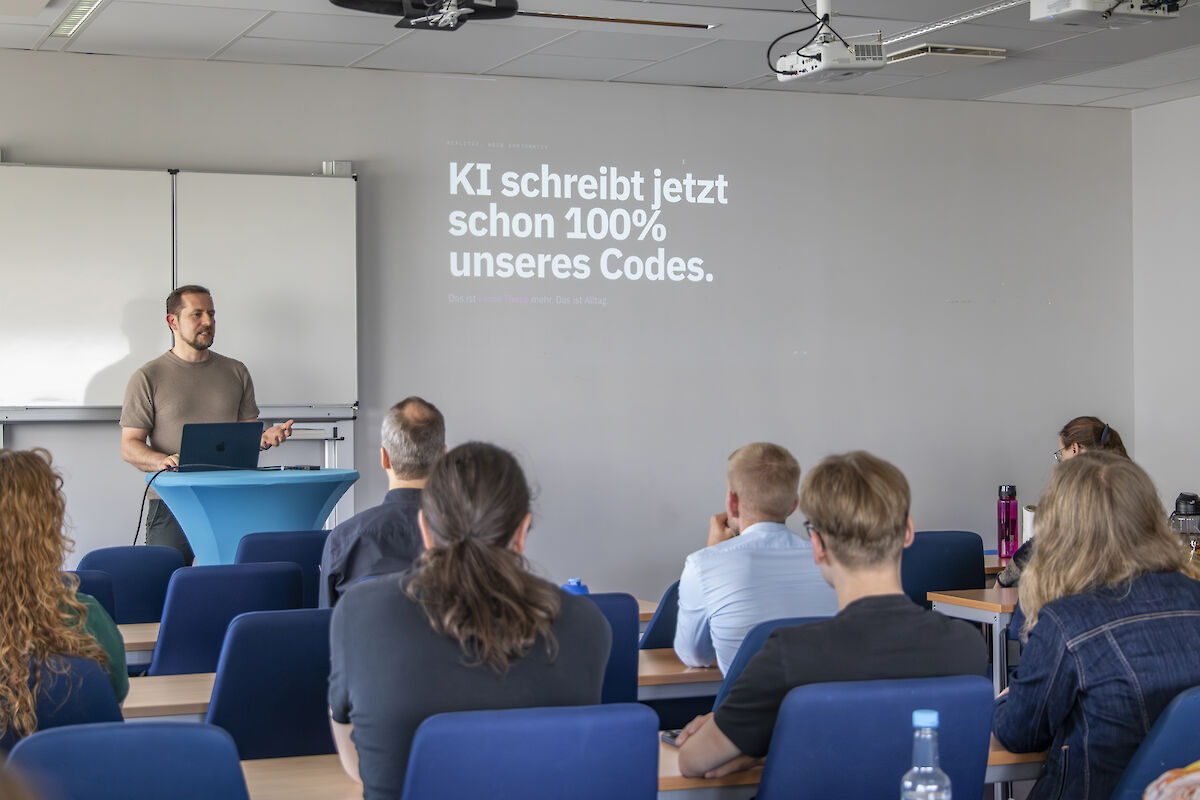
New perspectives on the competencies of the future were then provided by Mag. jur. Werner Wutscher (New Venture Scouting, Vienna) and Daniel Dietze (digitalwert® GmbH, Dresden). Their presentations focused on the impact of artificial intelligence on studies and careers, new requirements for professionals and managers, and the question of which future skills university graduates will need.
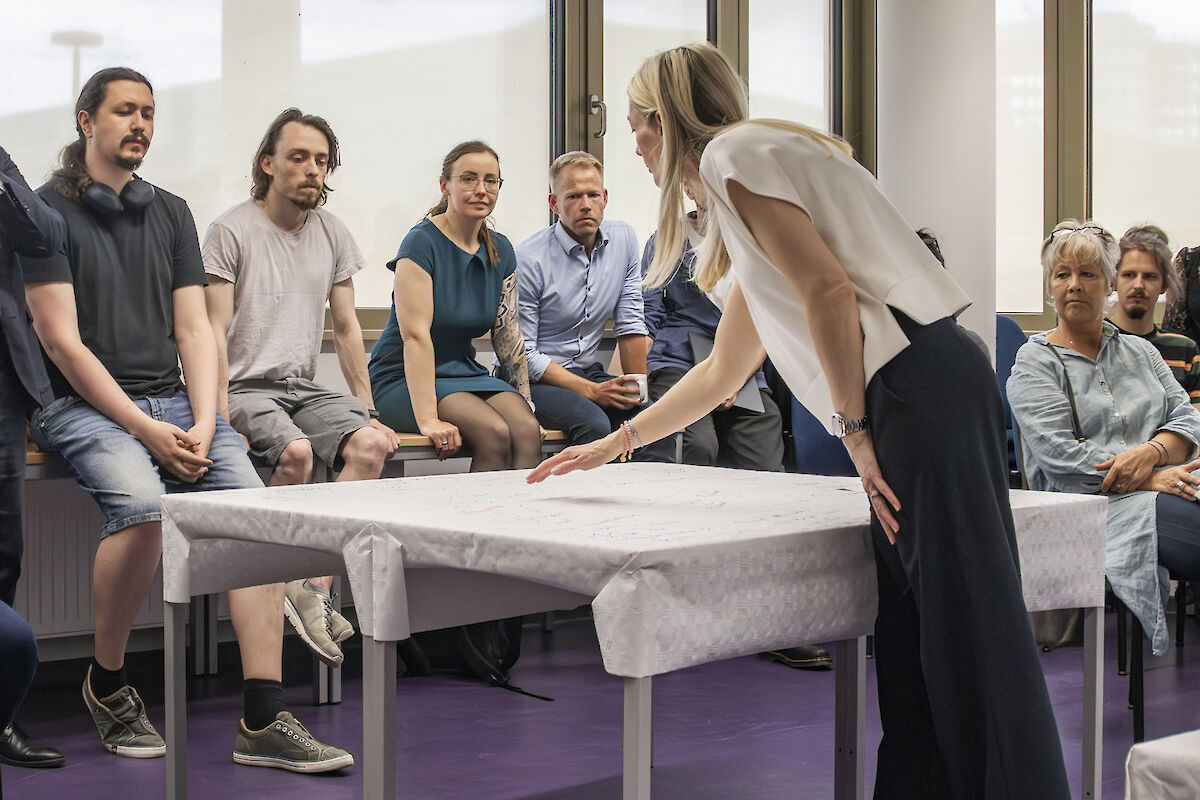
In the second part of the day, the entire university community was actively involved. Within the departments, students and lecturers discussed key future-oriented questions in a World Café format on the topics of “Future Teaching”, “Assessment in Times of AI”, and “Employability in a Changing World”. The results were then presented in plenary, discussed, and consolidated into shared fields of action.
The ideas developed now form the basis for a university-wide development process. The goal is to further develop FHD’s strengths—personal support, practical relevance, innovative capacity, and regional networking—and to connect them with the demands of a changing working world. From this, a shared understanding of teaching and learning at FHD will emerge in the coming months, providing orientation for the university’s future direction.
“Dies Academicus impressively demonstrated the great innovative power within our university community. The ideas and perspectives developed together now form the basis for a development process through which we will actively shape the future of teaching and learning at FHD,” says Dr. habil. Heike Zimmermann-Timm, Rector of the University of Applied Sciences Dresden.
The Dies Academicus 2026 was more than just a day of exchange. It marks the start of a joint process through which the University of Applied Sciences Dresden will consistently further develop its teaching—practical, future-oriented, and closely aligned with the needs of society, the economy, and the region.